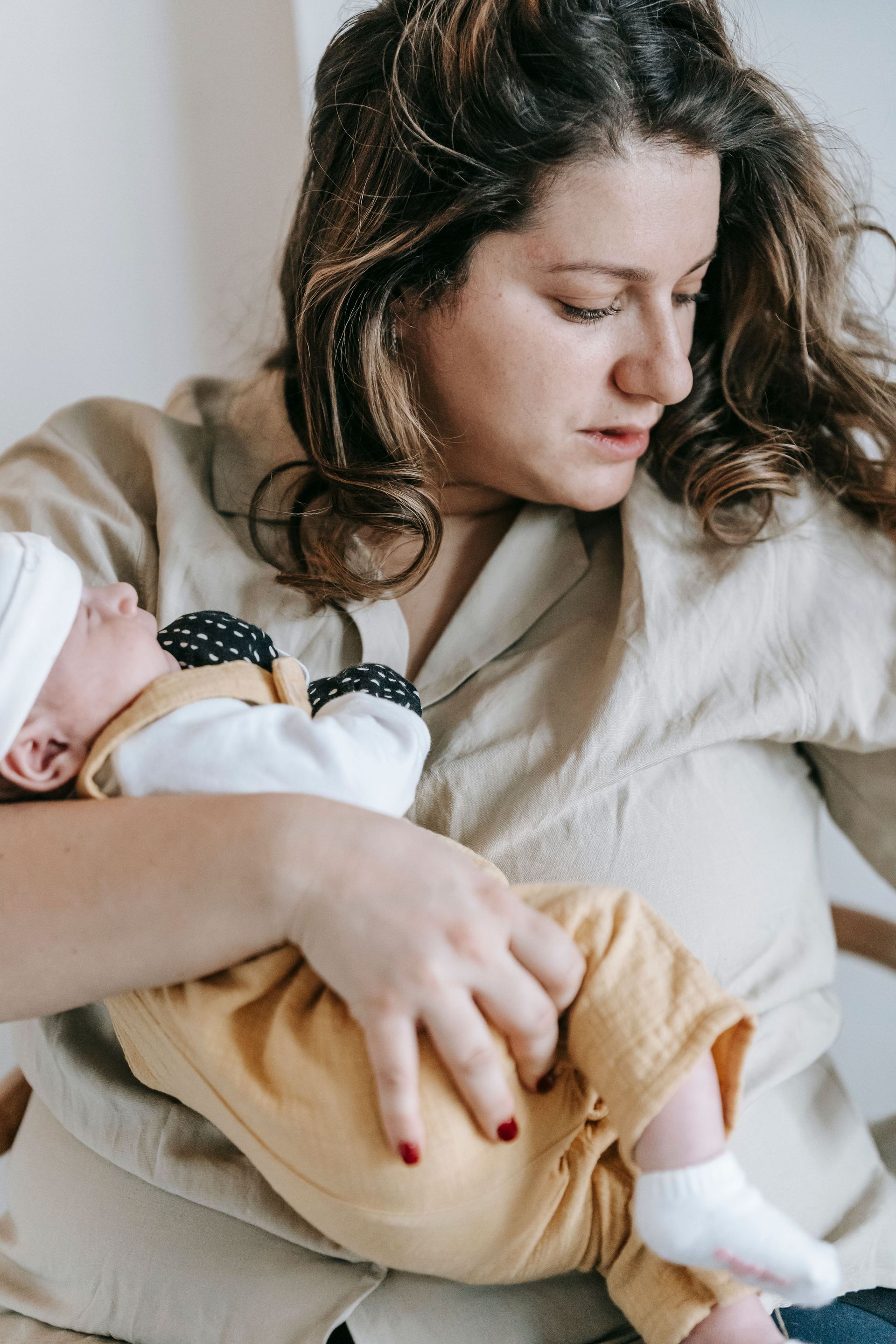
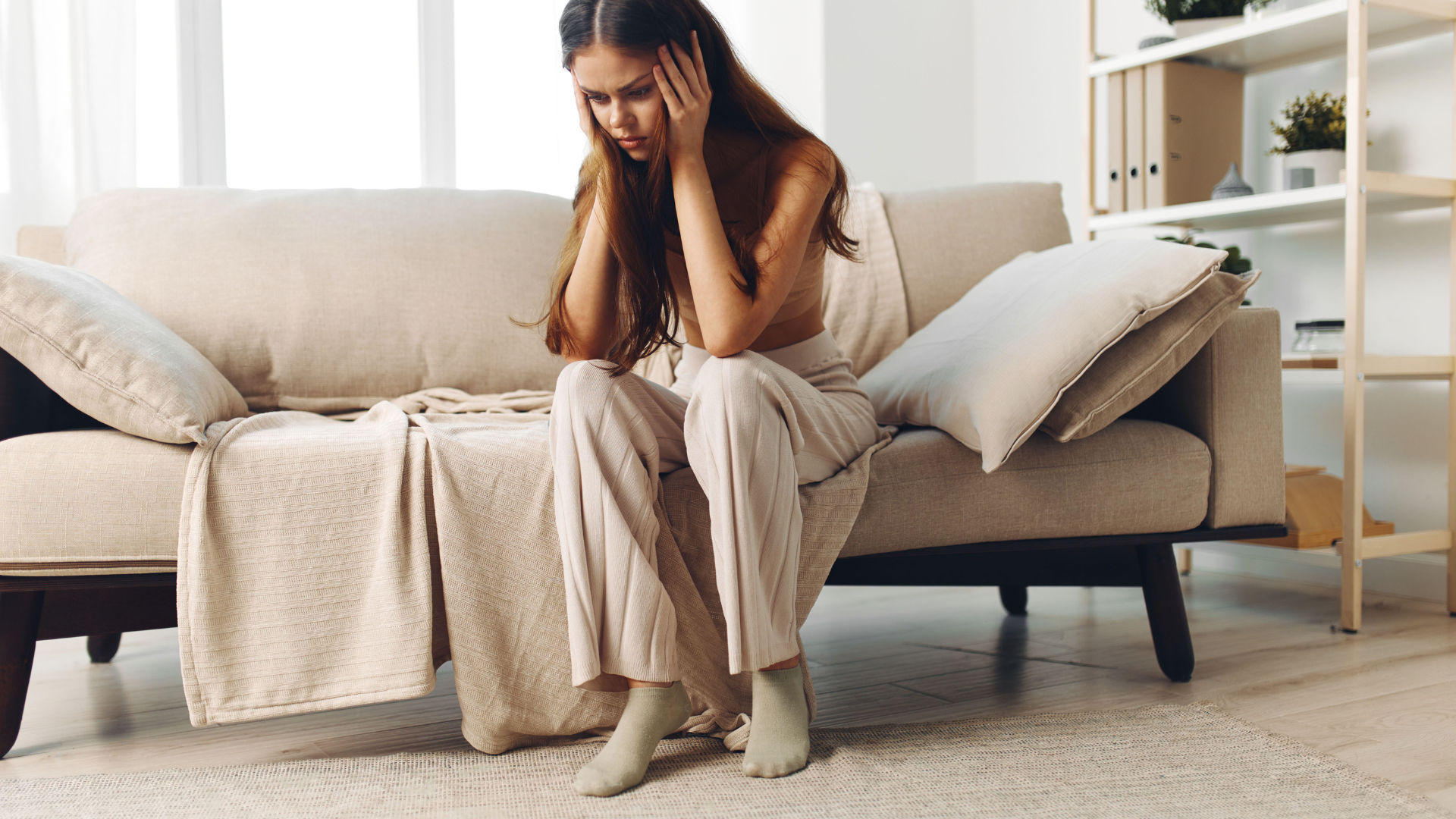
Postpartum depression symptoms every Latina mama deserves to know
There is a moment that so many mamas know but rarely talk about.
It is 2am. The baby is finally asleep. And instead of feeling relief, you feel nothing or worse, you feel like a stranger inside your own life.
If you have been wondering whether what you are feeling is postpartum depression symptoms, I want you to know: you are not imagining it. And you are not alone.
Postpartum depression symptoms do not always look like what the pamphlets describe. They do not always show up as sobbing on the bathroom floor though that happens too. Sometimes they look like numbness. Like rage. Like scrolling your phone at 3am wondering who you even are anymore.
And for so many Latina and BIPOC mamas, they look like pushing through anyway, because that is what we were taught to do.
I am Johanna Lee, LPCC, and I work with first gen Latinas, mujeres of color, and BIPOC mamas navigating postpartum and madrehood. If you want to understand more about my work and what guides it, you can explore my postpartum therapy.
This blog is for you, hermana. Not the clinical version of you. The real one exhausted, brave, and deserving of so much more than survival mode.
What are the signs of postpartum depression?
Postpartum depression is a mood disorder that affects approximately 1 in 5 birthing people and that number is widely understood to be an undercount, especially among women of color who are less likely to be screened, less likely to be believed, and more likely to have been taught that struggling in silence is strength.
The symptoms can include persistent sadness or emptiness, loss of interest in things you used to love, extreme fatigue beyond what newborn sleep deprivation explains, changes in appetite, difficulty concentrating, feelings of worthlessness or shame, and a sense of hopelessness about the future.
Does postpartum depression only look like sadness?
No and this is one of the most important things I want every mama reading this to understand.
Postpartum depression symptoms are not a monolith. For many women, especially those who have been socialized to suppress emotion, sadness gets masked by other presentations.
You might feel irritable all the time and not understand why.
You might feel emotionally flat not sad exactly, but absent.
You might feel like you are watching your life from behind glass, going through the motions but not actually present.
These are all real, valid postpartum depression symptoms, even if they do not match what you expected.
The pressure to perform okayness especially in communities where mamas are expected to hold everything together means that what gets labeled as “just stressed” or “adjusting” is often something that deserves real support.
Can postpartum depression affect how you bond with your baby?
Yes and this is the part that carries the most shame.
Many mamas experiencing postpartum depression describe feeling emotionally distant from their baby not from a lack of love, but because the illness itself creates a wall between you and your feelings.
You might go through the motions of caring for your baby while feeling nothing.
You might look at your child and feel fear instead of warmth.
I also want to name intrusive thoughts here, because they are more common than most people know and more misunderstood than almost anything else in the postpartum space.
Intrusive thoughts unwanted, disturbing mental images or fears are a symptom, not a reflection of who you are as a mother.
They do not mean you are dangerous.
They mean your nervous system is overwhelmed and asking for help.
What does postpartum rage feel like and is it normal?
Postpartum rage is real, it is underdiagnosed, and it is almost never talked about in clinical settings especially for mujeres of color who have been told their whole lives that anger makes them difficult, dramatic, or dangerous.
Postpartum rage can look like explosive irritability over small things, a simmering fury that never fully goes away, or a sense of resentment toward your partner, your family, or the systems that left you completely unsupported in one of the hardest transitions of your life.
That anger is information.
It is not a character flaw.
And it absolutely falls within the umbrella of postpartum depression symptoms that deserve to be taken seriously.

What is the difference between the baby blues and postpartum depression?
This is one of the most common questions I hear, and it matters because the distinction shapes whether a mama gets support or gets told to wait it out.
Baby blues are extremely common affecting up to 80% of new mamas in the first days after birth.
They are driven largely by the dramatic hormonal shift that happens when the placenta is delivered, and they typically resolve on their own within two weeks.
During this window, you might feel weepy, emotionally raw, and exhausted.
That is normal and expected.
Postpartum depression is different.
It is more intense, more persistent, and does not resolve without support.
If your symptoms last beyond two weeks, are worsening rather than improving, or are interfering with your ability to function or care for yourself or your baby that is not baby blues.
That is postpartum depression, and it is asking for your attention.
How long do baby blues typically last?
Baby blues typically peak around days three to five postpartum and resolve within ten to fourteen days.
The key marker is trajectory they should be getting lighter, not heavier.
If you are two, three, or four weeks postpartum and still feeling like you are barely keeping your head above water, please do not chalk it up to “just adjusting.”
Your experience deserves to be assessed by someone who actually understands postpartum mental health.
Can postpartum depression start months after giving birth?
Yes and this catches so many mamas completely off guard.
Postpartum depression can emerge any time within the first year after birth.
I have worked with mamas who felt relatively okay in the early weeks and then hit a wall at three months, six months, or even later.
For some, the return of their menstrual cycle, the end of maternity leave, or the transition away from breastfeeding can trigger the onset of symptoms.
This delayed presentation is particularly common in mujeres who are carrying everything on their own because when you are in pure survival mode, sometimes the feelings do not catch up until you finally slow down enough to feel them.
What does postpartum anxiety feel like and how is it different from postpartum depression?
Postpartum anxiety is actually as common as postpartum depression some research suggests it may be even more prevalent but it receives a fraction of the attention.
And because it does not fit neatly into the sadness narrative, it often goes unrecognized entirely.
Where postpartum depression can feel like sinking, postpartum anxiety often feels like bracing.
Like waiting for something terrible to happen.
Like you cannot turn your mind off no matter how exhausted you are.
Like your nervous system is stuck on high alert, scanning for danger in every corner of your world.
These are two distinct conditions that can also occur at the same time which is why a comprehensive, culturally informed assessment matters so much more than a five question screening checklist.
Is postpartum depression a sign of being a bad mother or weak?
Absolutely not and I will say that as many times as it takes.
Postpartum depression is a medical condition with biological, psychological, and social roots.
It has nothing to do with how much you love your baby, how capable you are as a mother, or how strong you are as a woman.
In fact, the mamas I work with who are struggling the most are often the most devoted, most conscientious, most deeply loving mothers I have ever met.
The illness does not reflect your character.
It reflects a gap in support one that you deserve to have filled.
How does postpartum depression show up differently in Latinas?
Research consistently shows that postpartum depression symptoms in women of color are more likely to be somatic meaning they show up as physical complaints like headaches, body aches, digestive issues, and fatigue rather than the emotional language that screening tools are designed to detect.
They are also more likely to be masked by hyperfunction looking fine on the outside, holding everything together, while quietly drowning inside.
Cultural idioms of distress also matter here.
Nervios.
Susto.
A heaviness that does not have a clinical name but is absolutely real.
These experiences deserve to be met with cultural fluency, not dismissed because they do not fit a Western diagnostic checklist.

What makes culturally rooted postpartum therapy different from traditional therapy?
Traditional therapy was built within a Western, white, individualistic framework and for mujeres whose lives are woven through with collectivism, intergenerational dynamics, and cultural identity, that framework often misses the mark.
Culturally rooted postpartum therapy centers your whole story.
It makes room for your abuela’s voice, your immigrant family’s sacrifices, your community’s expectations, and your own emerging sense of who you are becoming as a mother.
It also makes room for joy, rage, rest, and resistance all of which belong in healing just as much as coping skills and cognitive reframes.
You do not have to carry this alone, hermana
If any part of this blog made you exhale, tear up, or feel less alone that was the point.
Postpartum depression symptoms are real, they are treatable, and they are not a reflection of who you are as a mother or a mujer.
You are not failing.
You are mothering inside a system that was never built for you.
And you deserve support that is as fierce, tender, and real as you are.
If you are ready to stop surviving and start healing, I would love to hold that space with you.
Reach out to learn more about postpartum therapy in San Diego and take the first step toward feeling like yourself again or maybe, for the first time.
Your healing does not have to wait.
And neither do you.
Hi, I'm Johanna Lee
A licensed therapist (LPCC), mental health educator & speaker who helps first-gen, Latina, women of color & new mamas feel seen, supported, and grounded in postpartum and beyond.