Postpartum Mental Health Help: A therapist’s advice to protect your energy and motherhood after childbirth
Mija, you prepared for birth.
You read about recovery, feeding, sleep schedules, maybe even baby milestones. What no one really sat you down to explain is how deeply the postpartum period can shake your emotional world.
Maybe you are doing everything right on paper. Your baby is fed. You are showing up. You are functioning. And still, inside, something feels different. You feel more sensitive than you expected. More anxious. More easily overwhelmed. Or maybe you feel numb and disconnected in ways that scare you.
From the outside, nothing looks obviously wrong. Inside, you know something shifted.
You are not imagining this.
Research on women’s postpartum experiencesshows that emotional distress after birth is common, yet emotional preparation and mental health support during this period are often limited or completely missing. Many mothers report moderate to high levels of anxiety, sadness, and guilt, while also naming a lack of clear information and emotional support during postpartum
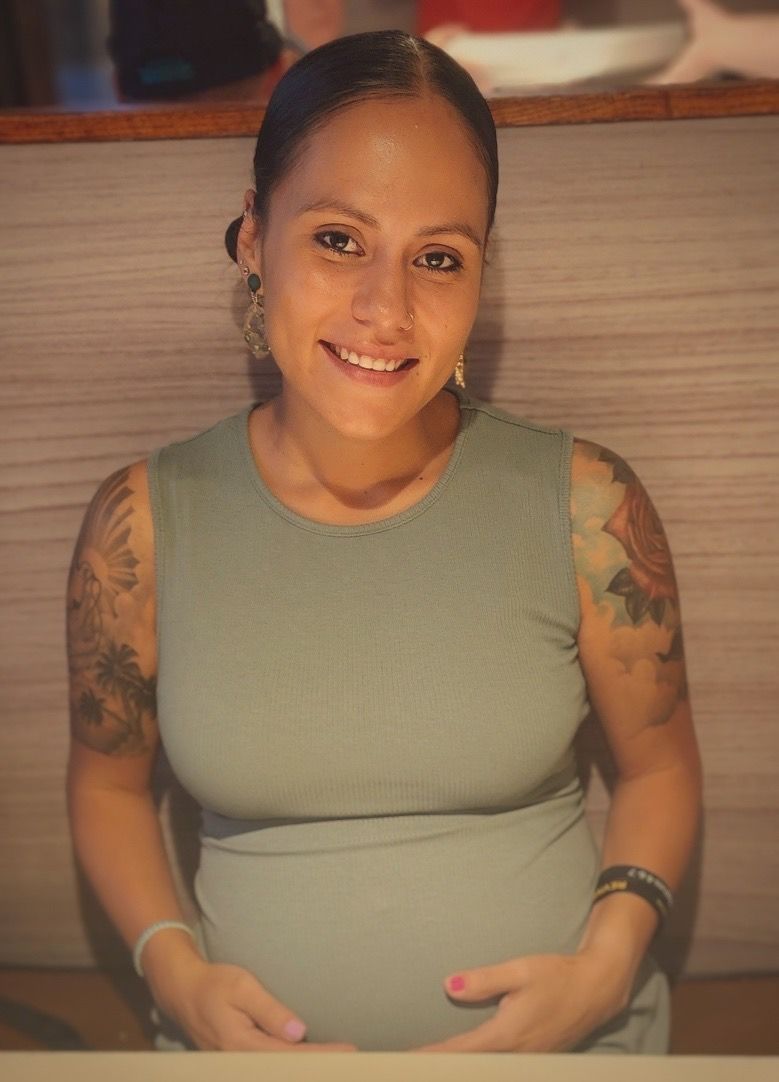
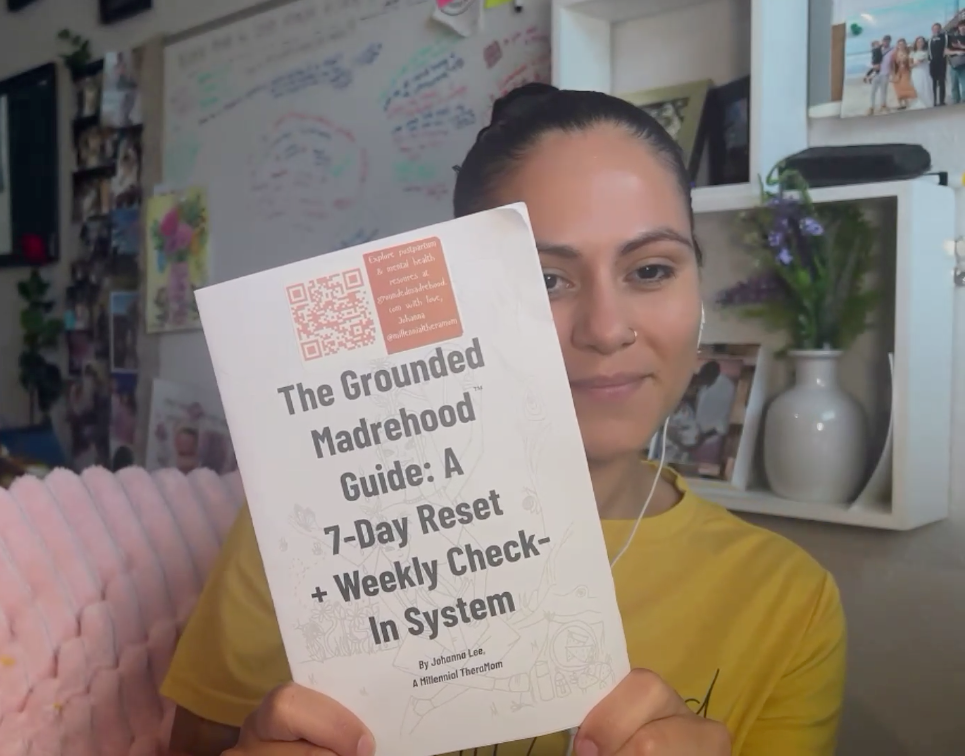
Hi, I’m Johanna Lee. I’m a licensed therapist, mental health educator, and the founder of Millennial Theramom. I work with first-gen, Latina, BIPOC, and all mamas navigating postpartum through themama community in California. My work is about helping you understand what your body, mind, and spirit are going through without silencing yourself or shrinking your experience.
How does postpartum affect mental health?
Postpartum mental health is shaped by many things happening all at once. Hormonal shifts. Sleep deprivation. Physical healing. Emotional responsibility. Identity changes. Cultural expectations. Generational pressure to “be strong.”
After birth, estrogen and progesterone drop rapidly. These hormones are closely tied to mood regulation and emotional stability. At the same time, your sleep is fragmented, your body is healing, and your nervous system is on high alert to protect your baby.
According to the perinatal anxiety toolkit, perinatal anxiety and mood conditions often emerge from this exact combination of biological vulnerability and environmental stress, especially when emotional support and clear mental health education are missing.
In other words, what you are feeling makes sense.
These changes are not random. They are physiological and psychological responses to sustained demand without enough rest, care, or containment.
Hormonal shifts and emotional regulation postpartum
Hormonal changes after birth can intensify emotions. Crying spells, irritability, emotional sensitivity, and mood swings are common. For some mamas, these changes soften as the body stabilizes. For others, they linger or grow when stress and isolation remain high.
Sleep deprivation and nervous system load
Sleep deprivation alone affects emotional regulation, concentration, and stress tolerance. Add newborn care, constant vigilance, and the pressure to “do it right,” and the nervous system may never fully power down.
What is postpartum blues, and how is it different from postpartum depression or anxiety?
Postpartum blues are common and usually show up in the first few days after birth. You might feel emotionally raw, tearful, overwhelmed, or sensitive. These symptoms often peak within the first week and resolve within about two weeks.
Postpartum depression is different in how long it lasts and how deeply it affects daily life.
What postpartum blues typically look like
With postpartum blues, emotions feel close to the surface. You may cry easily or feel more reactive, but you are generally still able to function and feel moments of connection or relief.
What postpartum anxiety typically look like
It usually appears within the first weeks or months after birth, but it can also begin later in the first year. It is not a character flaw and it is not a sign of being a bad parent. It is the nervous system staying in a constant state of alert.
Common emotional signs
A parent with postpartum anxiety may feel persistently worried and unable to relax. The thoughts tend to loop and feel urgent.
Examples include:
- Constant fear that something bad will happen to the baby
- Difficulty trusting others to care for the baby, even briefly
- Feeling overwhelmed by decisions that used to feel simple
- Guilt for not feeling calm or joyful enough
- Irritability or feeling on edge most of the day

When symptoms signal postpartum depression
Postpartum depression involves symptoms that last beyond the early postpartum window and interfere with daily functioning. This can include persistent sadness, emotional numbness, excessive guilt, anxiety, difficulty bonding, or feeling overwhelmed most of the time.
Research shows that postpartum depression affects a significant percentage of mothers and often goes untreated due to a lack of screening, access, and culturally responsive care.
How postpartum depression is treated
Postpartum depression is treatable. Healing does not look one way, and it does not require you to explain yourself perfectly.
Therapy approaches for postpartum depression
Therapy can offer a space where you do not have to perform strength. It supports nervous system regulation, emotional processing, and relief from isolation. Evidence-based approaches focus on safety, validation, and helping you feel less alone inside your experience.
This is not about fixing you. It is about supporting you.
What is postpartum psychosis, and when is it an emergency?
Postpartum psychosis is rare, but it is serious. It involves a loss of contact with reality and requires immediate medical attention.
Key signs of postpartum psychosis
Symptoms may include hallucinations, delusional beliefs, paranoia, disorganized thinking, or sudden, extreme mood shifts. These symptoms can appear quickly and feel frightening.
What to do if postpartum psychosis is suspected
This is a medical emergency. Immediate professional care is essential to protect both the mother and the baby.
How to protect your mental health in the postpartum period
Protecting your mental health after birth is not about doing more. It is about softening the expectations that tell you to be everything at once. Postpartum is a transition, not a test. Your body, mind, and spirit are learning how to exist in a new rhythm, and that rhythm needs gentleness, not perfection.
Many mothers enter postpartum prepared for the baby’s needs but not their own. This gap is what often turns normal exhaustion into emotional depletion. Protecting your mental health begins with small, consistent shifts that support your nervous system and give your body space to recover.
1. Redefine what “rest” means
Rest is not only sleep. It is permission to pause even when things are not finished. Lying down for ten minutes, eating without multitasking, or breathing with your shoulders relaxed are all forms of restoration. Your nervous system does not reset through productivity; it resets through presence.
2. Anchor your day in grounding rituals
Tiny, repeated actions cue your body that it is safe to slow down. Light a candle before feeding your baby. Step outside to feel the fresh air. Play one calming song at the same time every morning. These signals create micro-moments of predictability, which your nervous system interprets as safety.
3. Name what you need, even if you cannot fix it
You do not have to have solutions to be honest about what is hard. Saying “I feel anxious when it gets quiet” or “I need someone to check on me once a day” is not weakness; it is awareness. Naming your reality is the first act of protection.
4. Limit comparison and invisible performance
Motherhood is not a competition. What appears to be balance online often hides exhaustion offline. If you find yourself spiraling through social media, pause and ask: Does this connect me or drain me? Protecting your mind sometimes means setting boundaries with what you consume, not just what you do.
5. Build connection, not perfection
Isolation fuels emotional distress. You do not need a perfect village; you need honest spaces.
That might look like having one friend who listens without advice, a support group where you can speak freely, or therapy sessions that remind you you are not alone in this.
You can learn more strategies here:
Postpartum Mental Health Is More Than You Think: Mind, Body, Spirit + Más
Making sense of postpartum mental health is a first step, not a diagnosis
Learning about postpartum mental health does not mean something is wrong with you. Often, it means you are listening to yourself for the first time in a system that taught you to stay calladita and push through.
Spaces like the mama community in California exist so you do not have to make sense of this alone or rush yourself into labels.
Postpartum mental health is not about getting it right.
It is about being held while you become who you are now.

Hi, I'm Johanna Lee
A licensed therapist (LPCC), mental health educator & speaker who helps first-gen, Latina, women of color & new mamas feel seen, supported, and grounded in postpartum and beyond.