Therapist in Oxnard CA | CBT for postpartum depression & bilingual therapy
The fog rolls in early over the fields here, and so does the workday for so many mothers who are back on their feet long before postpartum recovery actually asks them to be. My practice offers postpartum and new madrehood therapy for Latina, first generation, and BIPOC mothers whose bodies rarely get the rest their labor deserves. I bring my own experience as a first gen daughter of a Mexican immigrant mother into this work, so nothing about your reality needs softening to be believed.
Oxnard sits along the Ventura County coast, its identity shaped by the strawberry fields and citrus groves that generations of Mexican farmworker families have tended, with neighborhoods like La Colonia carrying decades of that history close to downtown. Nearby Port Hueneme adds Navy families into the mix, creating a community where military schedules and agricultural rhythms often overlap. The coastal fog and the long rows of fields both shape a kind of quiet endurance that mothers here know well.
When your family's income depends on physical labor that does not pause for anyone, postpartum recovery can feel like a luxury nobody explained how to take. Anxiety and exhaustion often get absorbed into the daily grind rather than named for what they are. What brings mothers to this practice is finally having language and support for what their bodies have been carrying quietly for years.

How it works

My work begins with recognizing that a body that has worked the fields or the packing houses deserves the same care and attention as any other kind of healing. Sessions bring together clinical training, ancestral wisdom, mindfulness, and radical compassion, so recovery is treated as necessary rather than optional. Your labor is honored here, not overlooked.
A philosophy that honors the body's labor
We begin with a simple, unhurried conversation about what has been building up physically and emotionally, with nothing to prepare beforehand. This is a chance to finally be heard without needing to minimize anything. By the end, you will know whether this feels like the right space for you.
A first conversation that asks for nothing but honesty
From there, sessions move at a pace that fits around long shifts and unpredictable hours, using tools rooted in nervous system support, cultural validation, and self compassion. Over time, many mothers describe finally allowing their bodies real rest instead of pushing through on autopilot. What you build here tends to hold up well beyond our sessions.
Support that respects a demanding, physical life

EXPLORE MY SERVICES


Postpartum therapy holds space for the mother whose body is back in the fields before it has truly had the chance to heal, quietly grieving the rest she never got to take. It welcomes exhaustion and deep love for her baby without asking her to rank the two. Many mothers first notice relief in simply not being told to push through it, followed by a slow easing of the guilt that shows up whenever she does slow down. The pressure to appear unaffected begins to soften. We explore identity, physical exhaustion, and the emotional cost of labor that never truly pauses, with sessions held virtually so a long shift never has to compete with support.

CBT for postpartum depression is for the mother whose mind keeps insisting she should be handling this better, even while her body is running on almost nothing. It works directly with that inner critic instead of accepting it as fact. Progress often looks like a brief pause before the spiral starts, a moment where a hard day stops meaning she is a bad mother. Many mothers describe slowly learning to trust their own read of a situation again. Sessions work through the practical link between thought, emotion, and behavior, giving her tools that hold up in the fields and at home alike.

Years of physical labor often settle deep into the body, showing up as a tight lower back, shallow breathing, or a body that rarely feels permission to fully rest. Somatic therapy meets that tension directly instead of only talking around it. Over time, many mothers describe their bodies beginning to feel like a place they can actually recover in, with less bracing for the next task and more room to simply exhale. Sleep starts to feel restorative again. Sessions weave grounding and body awareness practices into conversation, offered virtually so this work fits into whatever quiet moment the evening allows.

Postpartum depression therapy is for the mother who keeps clocking in each morning while feeling completely disconnected from her own life underneath the routine. It names the difference between physical exhaustion and a heaviness that will not lift. Many mothers find their first relief simply in being taken seriously rather than told to keep pushing through. From there, small returns of energy and moments of real connection with their baby tend to follow. This work holds the full weight of postpartum depression without minimizing it, offered virtually so support reaches her even during harvest season.

Therapy for Latinas is for the mother raised to keep her struggles inside the family and out of anyone else's view, tired of explaining her culture just to be understood. Sessions can move naturally between English and Spanish, whatever lets her speak most honestly. Many mothers describe finally not having to simplify her story to fit a therapy model that was never built with farmworker families in mind. The exhaustion of constant translation begins to ease. We talk through generational expectation, immigration related stress, and the specific weight of building something different while still honoring where you come from.

Anxiety therapy is for the mother whose mind races through every worst case scenario during the drive to work before the sun has even fully risen. It gives that anxious energy somewhere useful to land. Relief tends to build gradually, with more space appearing between a worry and the spiral it used to trigger instantly. Many mothers describe finally noticing a calm moment instead of scanning it for what could go wrong. Sessions combine grounding tools for the moment with deeper work on what the anxiety has been trying to protect her from, held virtually so support fits into an already demanding schedule.

Testimonials

Five black star icons aligned in a row on a white background

I was working with a first-gen Latina client who shared that she really appreciates that I give her education and examples for different mental health concepts and this helps her think about it in her own terms throughout the week (e.g. like having a full plate and taking just a moment to set it down when we journal so that it doesn’t feel as heavy all the time).

Five black stars aligned in the top-left corner on a white background

I helped a mom advocate for herself after experiencing workplace harassment throughout her pregnancy. She felt like she was complaining but after processing a couple sessions, she realized that this was one way she could protect herself (even if in the past she wasn’t able to). 

Five black star icons in a row on a white background

I hosted a Baby & Me Parent Community Event focused on 1) donations/swap station for baby & mom items 2) sensory play stations 3) selena dance along 4) new parent mental health 101 & 5) guest speaker on financial education. I had a few moms come up to me during the event saying how helpful it was to get tangible resources and also information to help them in their current season. 

I serve women in San Diego

​​I offer virtual therapy to women across San Diego including those living near Balboa Park, North Park, Mission Valley and nearby coastal neighborhoods. You can access support from anywhere in California and meet with me from the comfort of your home.

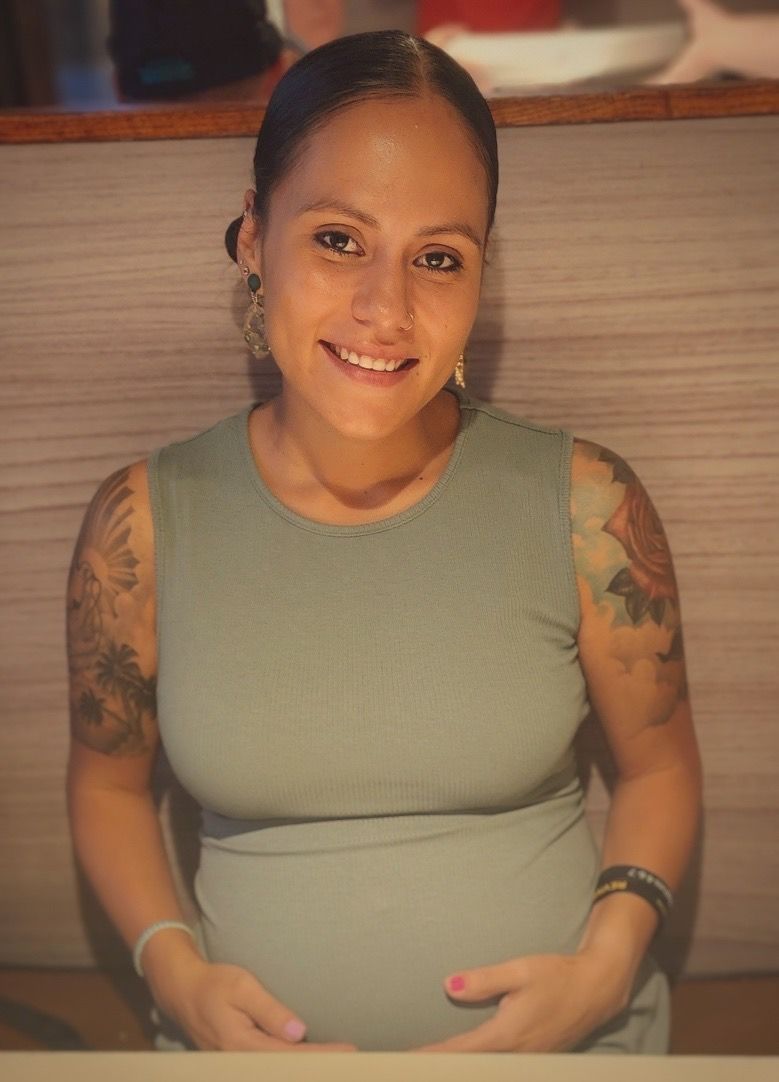
I'm Johanna Lee, LPCC, a licensed therapist, educator, and first generation Latina mom who supports mothers throughout Ventura County navigating postpartum and new madrehood. Growing up as the daughter of a Mexican immigrant single mother taught me to see physical labor and emotional labor as connected, not separate, and I bring that understanding into every session. My work blends mindfulness, cultural validation, and radical compassion, offered virtually so a demanding schedule never has to delay care. Healing is a birthright, not a privilege.
Smiling person in a green sleeveless top, seated indoors with tattooed arms and hands resting on a pregnant belly

Frequently asked questions

  • What payment methods do you accept?

    I accept FSA/HSA, debit, or credit card for payment. I do not currently accept insurance and many clients appreciate the privacy, flexibility, and control that comes with paying directly for care (versus utilizing insurance).

  • Can I bring my baby to the session?

    Yes—babies are absolutely welcome. I know it’s not always possible to find childcare, and you shouldn’t have to put your healing on hold because of that. Whether you’re nursing, rocking, or soothing during our time together, this space is made with mamá life in mind. Come as you are—messy bun, spit-up, baby in arms and all. (ps snacks are also welcome and often encouraged lol)

  • How long is each session, and how often will we meet?

    Sessions are 55 minutes. Most clients start with weekly sessions, but we’ll collaborate to find a rhythm that fits your needs, schedule, and goals.

  • Where are you licensed to provide therapy?

    I’m licensed in California, so therapy sessions are available to clients physically located in California at the time of each session. If you're outside California, you can still join my escuelita &/or access non-clinical resources -  View here 

  • Therapy vs education disclaimer

    Participation in workshops, classes, memberships, or educational resources does not establish a therapeutic relationship. These services are for support, education, and community and are not a substitute for clinical therapy. Therapy services are only available to clients residing in California, provided through a separate intake and consent process.