Mindfulness for New Moms: Daily Tools to Ease Anxiety and Find Balance
You thought motherhood would feel different.
You imagined slower mornings, a rhythm forming, moments of connection that felt grounding. Maybe you expected to be tired, but emotionally present. Capable. More connected to yourself than before.
Instead, your days feel fragmented. You wake up already behind. You move from feeding to cleaning to soothing to planning without ever fully landing anywhere. Your body is present, but your attention is constantly split. By midday, you feel overstimulated, emotionally thin, and stuck in reaction mode.
Then you open your phone.
You see other moms who look calm, organized, confident. They talk about routines, balance, and enjoying every stage. From the outside, it seems like they are inhabiting motherhood with ease while you are just trying to get through the day.
This gap between expectation and lived experience is where overwhelm takes root. Early motherhood places sustained demands on your nervous system, attention, and sense of self, often without space to pause or integrate what you are experiencing.
Mindfulness for new moms matters here because it offers a way to stay internally present inside your actual day. Not to fix motherhood or force calm, but to interrupt constant reactivity and rebuild internal stability.
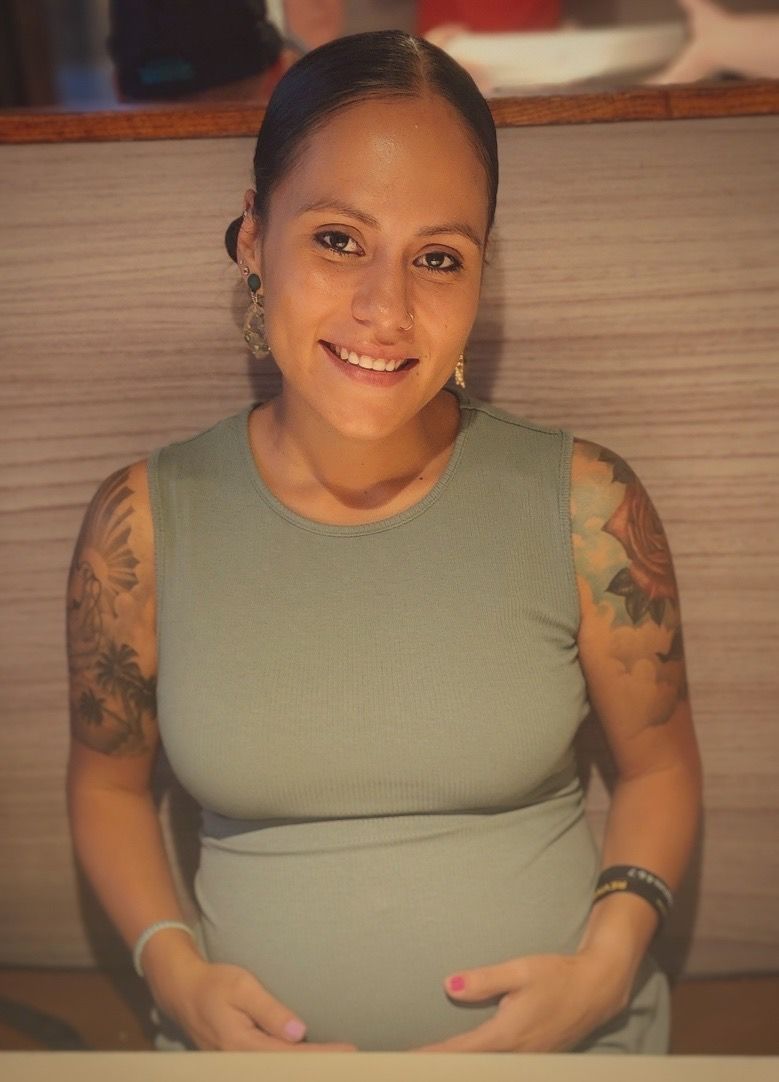
Hi, I am Johanna Lee. I am a licensed therapist, mental health educator, and speaker who supports first generation Latina women of color and new mamas navigating postpartum and beyond. I am also the founder of Millennial Theramom, a space created from lived experience and from the belief that maternal mental health for mujeres of color is a justice issue.
Through the mama community in California, I support new moms who feel overwhelmed not because they are unprepared, but because no one taught them how to stay internally anchored while caring for a baby and managing constant demands.
What mindfulness actually means for new moms
Mindfulness for moms is often misunderstood as a practice that requires calm, silence, or extra time. In clinical terms, mindfulness is the ability to notice what is happening in the present momentwith awareness rather than automatic reaction.
For new moms, mindfulness means becoming aware of thoughts, emotions, and physical sensations while caring for your baby, without immediately judging, fixing, or suppressing them. It is not about feeling peaceful. It is about noticing experience as it unfolds.
This matters because early motherhood constantly pulls attention outward. Mindfulness gently redirects some attention inward, helping you stay oriented to yourself rather than becoming fully absorbed by demands.
Mindfulness is different from rest or self-care. Rest restores energy. Self-care may support well-being. Mindfulness builds awareness and response flexibility, even amid fatigue, noise, and unfinished tasks.
Because time is fragmented after becoming a mother, mindfulness naturally happens in short moments. These moments are not insufficient. They are how the skill is built.
Why mindfulness is especially important in early motherhood
Early motherhood keeps the nervous system under sustained activation. There are a few true pauses, and the body often remains in a state of readiness.
Research on mindfulness-based interventions in the perinatal period shows consistent reductions in anxiety, stress, and depressive symptoms, along with improvements in emotional awareness and self-compassion. These outcomes are clinically meaningful because chronic stress affects sleep, concentration, emotional regulation, and overall functioning.
Mindfulness supports emotional regulation by helping you notice internal cues earlier, before emotions escalate into overwhelm. Rather than eliminating anxiety, mindfulness reduces the mental loops that maintain it. Over time, this leads to improved emotional flexibility and lower baseline reactivity. Learn more:

What is mindfulness-based stress reduction for moms?
Mindfulness-based stress reduction, or MBSR, is a structured approach developed by psychologist Jon Kabat Zinn that teaches how to relate differently to stress. Rather than trying to eliminate difficult emotions, MBSR helps you notice how your mind and body respond to them.
Mindfulness-based stress reduction is not about achieving calm or doing everything right. It is about learning to notice your internal experience and respond with compassion rather than self-criticism. That shift builds emotional flexibility, patience, and a deeper sense of connection to yourself and your baby.
How mindfulness helps you prepare for motherhood emotionally
For new moms, this matters because early motherhood is full of ongoing stressors, sleep deprivation, sensory overload, and constant responsibility. Mindfulness provides tools that help your nervous system shift from survival mode to a more balanced state.
It also supports identity continuity. Early motherhood can narrow your sense of self to your caregiving role. Mindfulness helps maintain awareness of your internal experience while caring for your baby, supporting long-term emotional health and reducing depletion.
What are the best mindfulness techniques for new moms and 10 practices to fit into daily life with baby
Mindfulness for new moms does not require adding new tasks or long practices. It integrates into existing moments.
Below are ten simple mindfulness practices for moms:
- Noticing three slow breaths while feeding
- Feeling your feet on the floor when standing up with your baby
- Observing your baby’s facial expressions without multitasking
- Naming one physical sensation in your body while holding or rocking
- Pausing for one breath before responding to crying
- Noticing tension in your shoulders or jaw and softening slightly
- Paying attention to sounds or temperature in the room
- Taking one intentional breath before checking your phone
- Feeling the weight of your body supported by a chair or couch
- Mentally labeling a moment as here while it is happening
These practices are brief by design. Consistency matters more than duration. Short, frequent moments of awareness throughout the day train regulation more effectively than occasional long sessions.
How mindfulness fits into therapeutic support for new moms to release anxiety
Mindfulness is most effective when supported and contextualized. In therapy, mindfulness becomes a tool for awareness that supports deeper emotional work. It is not used to bypass emotions, but to help you stay present with them safely and with more choice. In my mama community for postpartum you will find: mindfulness support for emotional safety, strategies to reduce self-criticism, and help to regulate anxiety during postpartum and beyond.
Mindfulness reveals deeper needs rather than solving everything
Mindfulness for new moms often creates clarity before it creates relief. As awareness increases, you may begin to notice patterns that were previously buried in survival mode. This is not a setback. It is a sign that your nervous system finally has enough space to communicate.
Recognizing signs of burnout and nervous system overload
Increased awareness often leads to recognition of chronic exhaustion, difficulty resting, emotional reactivity, or a constant sense of being on edge. These are indicators that your nervous system has been operating under sustained demand and may need more structured support to regulate.
Self-awareness points toward additional support
Mindfulness can help you identify when anxiety, emotional overwhelm, or loss of self-trust are persistent rather than situational. At this point, mindfulness works best as part of a broader support system rather than something you are meant to carry alone.
If this resonated and you want support, here is where to begin
You do not need to already practice mindfulness or have clarity about your needs. Noticing that something here spoke to you is enough to begin.
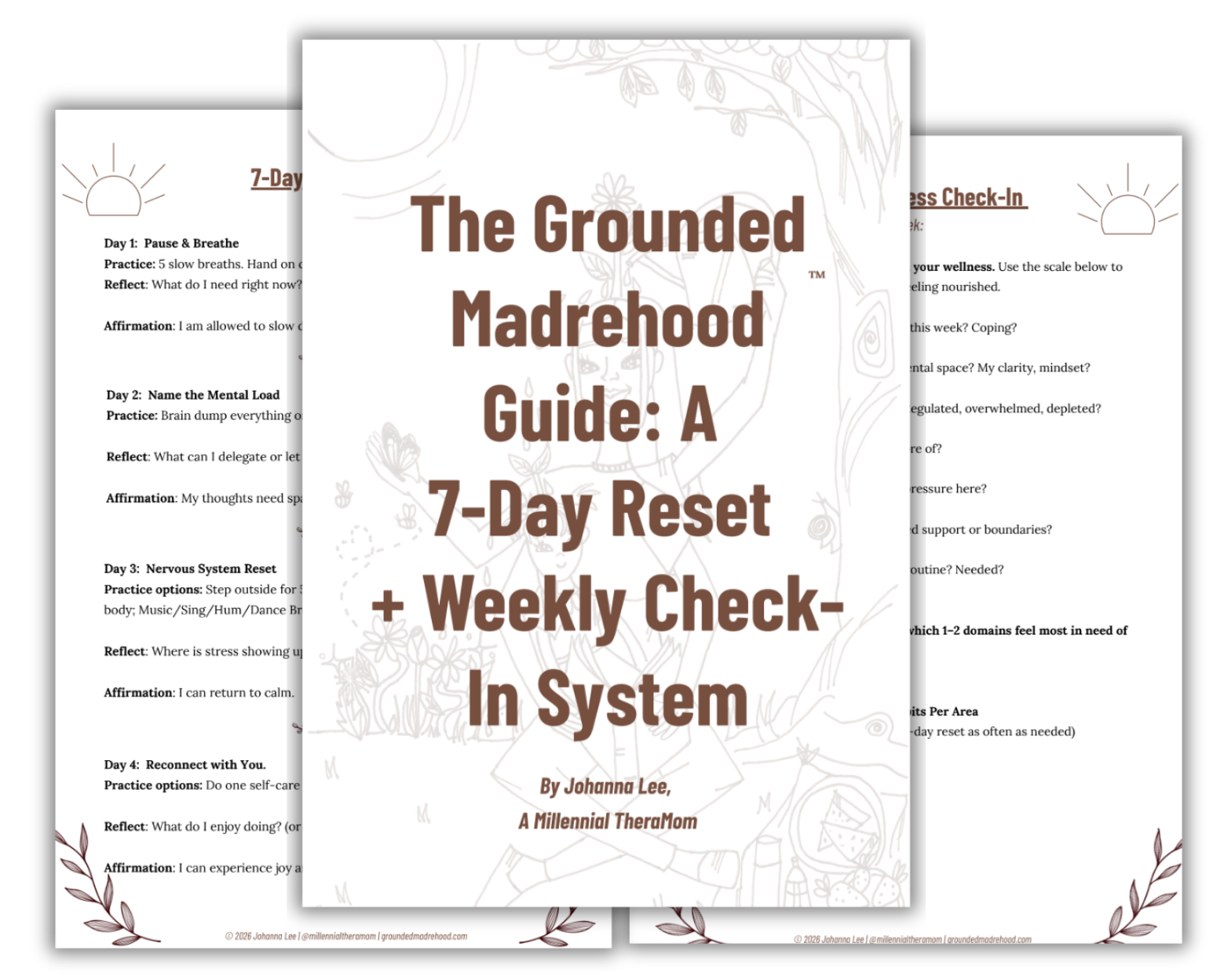
If you want support navigating this stage with more steadiness, join my mama community for postpartum , a space to slow down, understand what your nervous system has been carrying, and begin regulating overwhelm in a way that fits your real life as a mother.
You do not need to arrive calm or prepared. If this resonated and you want to begin, support is available.
Hi, I'm Johanna Lee
A licensed therapist (LPCC), mental health educator & speaker who helps first-gen, Latina, women of color & new mamas feel seen, supported, and grounded in postpartum and beyond.